
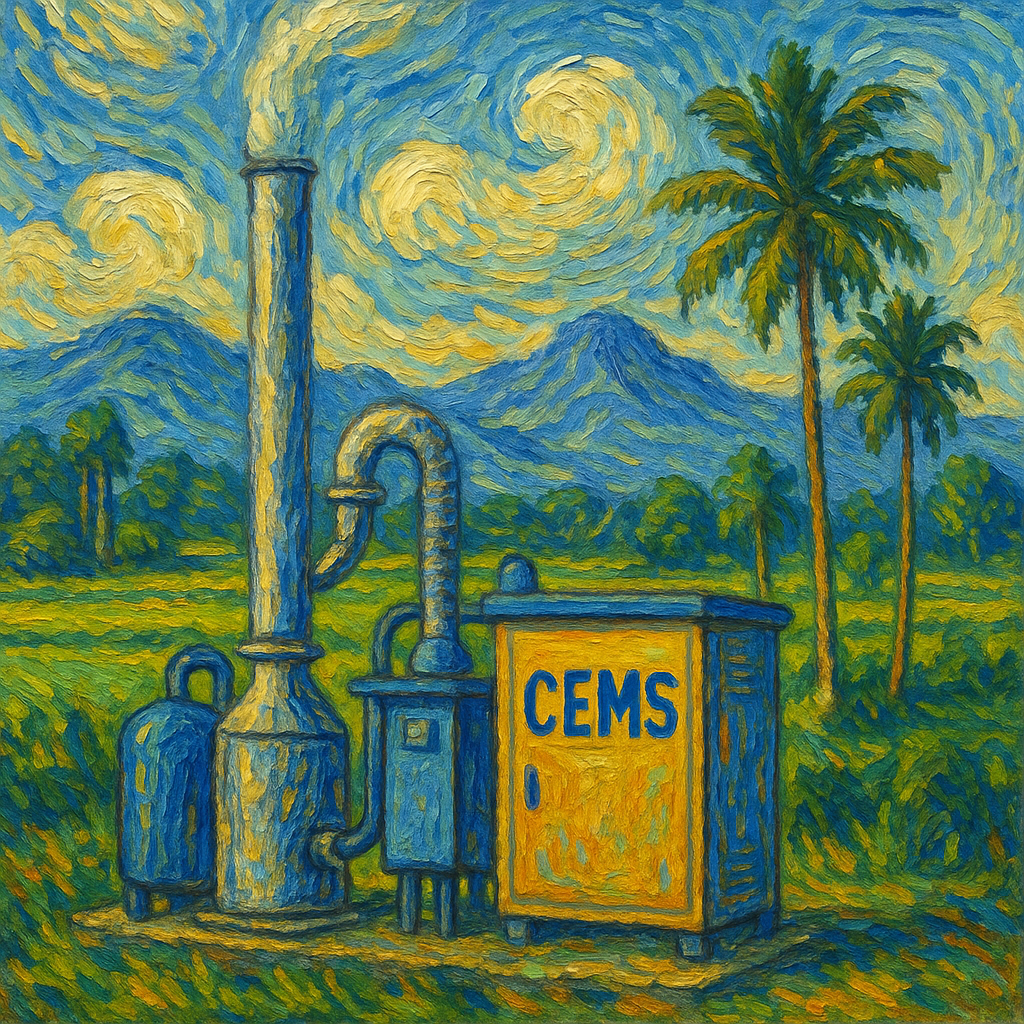
Berbagai tipe CEMS yang umum dipakai, penjelasan masing-masing, analisa peluang bisnis implementasi di Indonesia per tipe (market fit, pelanggan target, lokasi potensial), step-by-step planning untuk deploy (dari survey sampai O&M & QA), dan lokasi prioritas untuk tiap tipe beserta sumber utama. Beserta sumber untuk klaim-kunci (regulasi/standar, pasar, project pipeline Indonesia).
1) Ringkasan: Apa itu CEMS / konteks pasar singkat
CEMS = sistem lengkap untuk pengukuran emisi gas/partikel secara kontinyu (analyzer, sampling, data logger, DAS, reporting). Ada juga varian yang menggunakan parameter proses (PEMS) atau solusi sementara (temporary CEMS). Sumber definisi dan scope teknis: US EPA. (Environmental Protection Agency)
2) Klasifikasi jenis & tipe CEMS (deskripsi singkat + kapan dipakai)
Di bawah ini “tipe” merujuk metode pengukuran / arsitektur sistem.
- Extractive CEMS — Heated “hot/wet” full-extractive
- Cara: probe + heated sample line + sample conditioning → analyzer di indoor cabinet. Cocok untuk gas korosif/beruap/beruap uap air tinggi (mis. boiler, smelter).
- Parameter umum: SO₂, NOx, CO, CO₂, O₂, HCl, HF, NH₃ (dengan analyzer spesifik).
- Kelebihan: fleksibel untuk banyak gas; analyzer bisa di-house; mudah maintenance.
- Kekurangan: kebutuhan sample heating, lebih mahal consumables.
- Referensi teknis: EPA guidance & reviews. (Environmental Protection Agency+1)
- Extractive CEMS — Dilution / dry-extractive
- Cara: sampel diencerkan (diluted) sebelum analyzer; sering untuk PM / kondensasi tinggi.
- Dipakai untuk: sumber dengan konsentrasi sangat tinggi / kondisi hot-wet. (Environmental Protection Agency)
- In-situ (in-stack) CEMS / probe analyzer
- Cara: sensor/analyzer ditempatkan langsung di dalam atau pada stack (probe langsung).
- Kelebihan: tidak perlu sistem sample line panjang; response cepat.
- Kekurangan: exposure langsung → butuh sensor tahan panas/korosi; service di lokasi.
- Digunakan di banyak PLTU/industri. (escspectrum.com)
- Open-path CEMS (OP-FTIR / DOAS / Open-path UV/IR)
- Cara: pengukuran sepanjang jalur optik (beam) antara dua titik — cocok untuk fugitive emissions, area leak detection, atau plume monitoring.
- Kelebihan: ukur area/fugitive, non-intrusive.
- Kekurangan: pengaruh cuaca, alignment sensitif.
- Contoh: FTIR open-path, DOAS, Tunable Diode Laser (TDL) versions. (EPA Ireland)
- FTIR (Fourier Transform Infrared) / Multi-gas spectrometer
- Cara: spektrometri broadband memungkinkan pengukuran banyak spesies gas sekaligus (HCl, HF, VOCs, CO, CO₂, CH₄, NH₃, dll).
- Kelebihan: multi-gas di satu unit; cocok untuk stack dengan banyak polutan trace/organik.
- Kekurangan: biaya awal tinggi; kebutuhan kalibrasi/QA intensif. (EPA Ireland)
- Tunable Diode Laser (TDL) / Tunable Diode Laser Absorption Spectroscopy (TDLAS)
- Cara: laser sempit untuk pengukuran spesifik (mis. H₂S, NH₃, HCl).
- Kelebihan: sangat sensitif, cepat, non-interfering untuk target gas tertentu.
- Kekurangan: hanya satu atau beberapa gas per laser. (EPA Ireland)
- Particulate Matter (PM) Continuous Monitors
- Tipe: Opacity meters / TEOM / Beta attenuation monitors / isokinetic samplers + filter followed by continuous measurement.
- Kegunaan: pengukuran PM mass & opacity (asap/partikel). (Environmental Protection Agency)
- Opacity / Dust Monitors (in-stack opacity)
- Pengukuran transparansi asap, sering dipakai di boiler & incinerator. (EPA Ireland)
- Parametric & Predictive Emission Monitoring Systems (PEMS / model-based)
- Cara: gunakan parameter proses (temp, flow, O₂, FGR, fuel rate) + model empiris untuk memprediksi emisi (bukan pengukuran langsung).
- Kelebihan: biaya capex rendah; dipakai sebagai backup atau untuk tren.
- Kekurangan: butuh validasi RATA/QAL untuk kepatuhan; tidak selalu diterima untuk semua regulatory compliance. (Environmental Protection Agency)
- Portable / Temporary CEMS (rental units, mobile labs)
- Gunakan untuk commissioning, RATA tests, atau proyek sementara. Banyak vendor menawarkan paket mobile. (Element)
3) Standar & QA yang relevan (singkat)
- EN 14181 (QAL1/QAL2/QAL3/AST) — quality assurance untuk CEMS di EU. (s-t-a.org)
- US EPA Methods (Method 6/7/3/7E etc.) untuk spesies gas dan RATA. (Environmental Protection Agency+1)
- Di Indonesia, registrasi CEMS & audit eksternal diatur oleh Kementerian/LHK & Permen terkait; beberapa industri wajib CEMS (PLTU, semen, pulp, Iron & Steel, dsb.). (PT. Network Data Sistem+1)
4) Peluang bisnis per tipe CEMS di Indonesia — analisa ringkas & lokasi prioritas
Saya uraikan per tipe: Market fit (siapa butuh), value proposition (kenapa mereka mau bayar), lokasi prioritas (site cluster / kawasan industri), dan perkiraan peluang bisnis 2026 (indikatif).
A. Extractive CEMS — Heated / Hot-wet (SO₂/NOx/CO/CO₂/O₂/HCl)
- Market fit: smelter nikel (HPAL & RKEF), cement, PLTU captive (co-located with smelters), petrochemical, metal refining.
- Value prop: keandalan di kondisi gas korosif & beruap — cocok untuk smelter & HPAL yang punya gas asam/ujung uap. Dibutuhkan untuk compliance & buyer audit international. (Environmental Protection Agency+1)
- Lokasi prioritas (Indonesia): Morowali (IMIP), Weda Bay (IWIP), Pomalaa, Sorowako, Konawe. (Cluster smelter & HPAL). (Pulitzer Center+1)
- Peluang 2026 (indikatif): High — setiap smelter RKEF / HPAL besar biasanya butuh multi-train CEMS; peluang paket CAPEX + installation + QAL + O&M. Market value per train: USD 30k–120k (tergantung gas spec).
- Risiko: kebutuhan teknis tinggi; control on procurement (EPC besar / investor China) → mitigation: partnership dengan EPC / reseller lokal.
B. In-situ (probe) CEMS
- Market fit: PLTU, boiler, beberapa proses industri dengan stack stabil.
- Value prop: biaya instalasi lebih rendah, respon cepat, cocok untuk O₂ / NOx / CO.
- Lokasi prioritas: captive powerplants at Morowali, Sengkang, PLTU co-located with smelters (Sulawesi), Cilegon industrial cluster. (Pulitzer Center+1)
- Peluang 2026: Medium — banyak PLTU/plants sudah memiliki CEMS; peluang retrofit & replacement + maintenance contracts.
- Risiko: kompetisi vendor global; mitigation: fokus pada service contracts & spare parts supply.
C. Open-path (OP-FTIR / DOAS / Open path UV/IR)
- Market fit: fugitive emissions monitoring (storage tanks, tank farms), leak detection at smelter yards, monitoring over coastal effluent plume, community plume monitoring (environmental transparency).
- Value prop: monitor area/fugitive sources yang tidak bisa diukur dengan stack CEMS. Menarik untuk reputasi/CSR & compliance terhadap buyer/NGO demands.
- Lokasi prioritas: coastal smelter complexes (Morowali, Weda Bay), tank farms in Cilegon, battery material handling areas. (Pulitzer Center+1)
- Peluang 2026: Medium-High untuk proyek yang butuh reputasi ekspor/ESG reporting; solusi premium.
- Risiko: performa dipengaruhi cuaca; perlu design & maintenance berkala.
D. FTIR / Multi-gas spectrometers
- Market fit: smelter, HPAL, chemical plants, battery materials plants yang butuh banyak trace gas & VOCs measurement.
- Value prop: multi-pollutant capability → ideal untuk compliance multi-regulator & export buyers.
- Lokasi prioritas: Pomalaa, IMIP, Karawang battery parks (CATL project). (catl.com+1)
- Peluang 2026: High untuk pabrik yang menuntut auditable multi-species reporting — namun capex tinggi (per unit USD 80k–250k+).
- Risiko: biaya dan QA intensif; mitigasi: tawarkan financing & third-party verification bundling.
E. TDL / Laser systems (gas specific)
- Market fit: monitoring gas spesifik (H₂S, NH₃, HCl) di proses kritis.
- Value prop: sensitivity & reliability untuk gas target; cocok untuk safety & compliance.
- Lokasi prioritas: HPAL facilities (HCl traces), tailings/processing units. (EPA Ireland)
- Peluang 2026: Niche but important — project specific, good margin per unit.
F. PM / Opacity monitors
- Market fit: smelter stacks, cement kilns, coal-fired plants, incinerators.
- Value prop: regulatory compliance; many Indonesian industries are required to monitor PM. (laboratory independent)
- Lokasi prioritas: cement plants (Cilegon area), smelters (Morowali), captive coal plants.
- Peluang 2026: Stable — retrofit & replacement demand + O&M.
G. PEMS / Parametric systems
- Market fit: facilities yang ingin biaya lebih rendah atau backup system untuk trend monitoring; accepted sometimes as part of compliance (tergantung regulator).
- Value prop: low capex; cepat deploy; useful untuk predictive maintenance.
- Lokasi prioritas: large industrial parks where operators want lower cost monitoring for internal control; secondary market where regulatory acceptance limited.
- Peluang 2026: Medium (as backup/parallel) — good for bundle offerings where CEMS + PEMS give full coverage. (Environmental Protection Agency)
H. Portable / Temporary CEMS (rental)
- Market fit: commissioning, RATA, temporary requirements, mobile audits.
- Value prop: cepat, capex-free untuk klien yang hanya butuh sementara (commissioning).
- Lokasi prioritas: new smelters commissioning in 2025–2026 (Pomalaa, IMIP new units, Karawang battery plant). (Element+1)
- Peluang 2026: High short-term — banyak proyek mulai commissioning → kebutuhan rental/mobile CEMS.
5) Step-by-step planning (general process) — dari engagement sampai O&M (template SOP bisnis)
Gunakan langkah ini untuk tiap proyek/paket.
Phase 0 — Market & Sales preparation (0–6 minggu)
- Target short list lokasi & decision makers (Head EHS, Procurement, EPC leads). Rujukan: daftar target yang kita pernah buat (IMIP, IWIP, Pomalaa, Karawang, Cilegon, Konawe, Sorowako). (Pulitzer Center+1)
- Siapkan product packs: (a) Pilot pack 1 train (extractive), (b) Premium FTIR multi-gas pack, (c) Fugitive open-path pack, (d) Rental pack. Sertakan pricing & OPEX options.
Phase 1 — Site survey & engineering (2–4 minggu)
- Lakukan survey stack/process: stack temp, moisture, pressure, access, platform, electrical power, cable route, safe work (hot work permit), sample point.
- Tentukan analyzer spec, sample line heating, filter, pump, dryer, etc. Buat P&ID sampling.
Phase 2 — Procurement & FAT (6–12 minggu)
- Order long-lead items (analyzers, FTIR, laser modules, data logger). Vendor options: Thermo Fisher, ABB, Teledyne, Horiba, M&C Tech, local integrators. (PR Newswire+1)
- Factory Acceptance Test (FAT) with customer witness (if requested).
Phase 3 — Installation & commissioning (2–6 minggu)
- Mechanical install (probe, sample line), electrical, comms (LTE/ethernet/SCADA/DAS).
- Commissioning: zero/span checks, drift checks, baseline RATA (relative accuracy test) vs reference method (if regulatory required). Implement QAL2/QAL3 per EN 14181 or EPA RATA. (s-t-a.org+1)
Phase 4 — Validation & acceptance (2–8 minggu)
- Run continuous data for acceptance period (30–90 days depending contract).
- Third-party witness test & calibration certificates (value add for export buyers).
Phase 5 — Data delivery & reporting
- Integrate with cloud dashboard; set automated exceedance alerts; provide auditable exports (hashed logs if needed for tamper evidence).
- Provide periodic QA/QC reports for regulator & buyers.
Phase 6 — O&M & support (ongoing)
- Maintenance schedule: quarterly preventive, monthly remote check, annual on-site calibration & AST (annual surveillance).
- Spare parts & consumables supply; training local technicians; SLA contracts (uptime guarantee, response time).
6) Rencana go-to-market & business model (praktis)
- Product bundles: Pilot (1 train + 60-day validation) ; Rollout (multi-train discounts) ; Rental (temp CEMS) ; Subscription (data + verification).
- Pricing guideline (indicative):
- Extractive single train pilot: USD 35k–90k (supply + install + commissioning) tergantung gas spec.
- FTIR multi-gas unit: USD 80k–250k per unit.
- Open-path installation: USD 40k–120k per beam/line.
- Rental: USD 2k–8k / week per mobile train.
- O&M / subscription: USD 5k–30k / year per train (remote + annual cal + spare parts).
(angka indicative; disesuaikan scope). Sumber pasar & vendor top players. (PR Newswire+1)
- Sales channels:
- Direct to large owners (Vale, Antam, Tsingshan partners) — but procurement often through EPC.
- Partnerships/JV with EPC contractors (local + China EPCs) → recommended for IMIP/Weda Bay access.
- Rental fleet for commissioning houses & testing labs → build recurring revenue.
- Differentiator (cara menang tender): bundling CEMS + data security (encrypted cloud + audit hash) + 3rd-party verification + financing options (sewa/OPEX). Ini penting karena buyer/exporters & lenders meminta auditable data. (Gasmet.com+1)
7) Potensi lokasi prioritas (ringkasan cepat — gunakan untuk target sales)
- Morowali Industrial Park (IMIP) — Sulawesi Tengah (smelter cluster) — top priority (many RKEF & captive power). Pulitzer Center
- Weda Bay / IWIP — North Maluku (HPAL, integrated smelter) — top priority. (Gasmet.com)
- Pomalaa / Sorowako (Vale) — HPAL & battery feedstock projects. (Battery-News+1)
- Karawang (CATL / Battery plants) — large battery plants (cell & materials) — multi-gas & water monitoring need. (Battery-News)
- Konawe cluster — pipeline smelters & new plants.
- Cilegon industrial complex (Krakatau Steel, petrochemicals) — PM/stack & wastewater monitoring opportunities.
- Other pipeline project sites: Ketapang, Buli, Bantaeng, Kuala Tanjung — early entry for pilot/rental.
8) Risiko & mitigasi ringkas
- Procurement bottlenecks (EPC + investor China) → mitigation: partner EPC lokal/China; siapkan local assembly.
- Regulatory changes & acceptance of PEMS → mitigation: tawarkan CEMS yang memenuhi EN/EPA & sertifikasi 3rd-party. (s-t-a.org+1)
- Technical skills shortage → training lokal & service network (SLA).
- Currency & supply chain volatility → dual sourcing; opsi lokal content untuk parts non-sensitive.
9) Prioritas action plan 90-hari (eksekusi cepat)
- Week 0–2: Finalize product packs (Extractive pilot, FTIR premium, Open-path, Rental) + indicative pricing & finance options.
- Week 1–4: Shortlist 6 sales targets: IMIP (2 smelters), Weda Bay (1 operator), Pomalaa (Vale), Karawang (CATL site), Cilegon (Krakatau). Prepare tailored 1-page pilot proposal per target. (Pulitzer Center+1)
- Week 2–6: Outreach → engage EPC partners (local + China JV) + sign 1 MoU for pilot access.
- Week 4–12: Execute 1 pilot rental/extractive train (8–12 minggu) at agreed site → collect data, run 3rd-party verification → publish case study.
- Ongoing: Build rental fleet (2–4 mobile trains), train 2 local tech teams, set up spare parts warehouse in Makassar/Jakarta.
10) Sumber & bacaan utama (untuk klaim-kunci)
- US EPA — definisi & guidance CEMS / PEMS. (Environmental Protection Agency+1)
- EN 14181 — QA standard for CEMS (QAL1/QAL2/QAL3). (s-t-a.org)
- Market reports & vendor lists (Thermo Fisher, ABB, Emerson, Siemens) — market leaders & market size signals. (PR Newswire+1)
- News/profiles on Indonesia smelter clusters (Morowali, Weda Bay) & battery projects (CATL Karawang). (Pulitzer Center+2Battery-News+2)
- Indonesian CEMS regulation & audit practice (PermenLHK / CEMS external audit overview). (PT. Network Data Sistem+1)
11) Kesimpulan ringkas — rekomendasi strategis
- Fokus awal (6–12 bulan): extractive heated CEMS + FTIR multi-gas + rental mobile train untuk commissioning di IMIP, Weda Bay, Pomalaa, Karawang. Ini memberi entry ke proyek besar dan case studies untuk tender selanjutnya. (Pulitzer Center+1)
- Model bisnis: paket pilot (rental atau CAPEX + subscription for data), partnership with EPCs (local & China), dan third-party verification bundling sebagai differentiator. (Element+1)
- Skalabilitas: setelah 1–2 pilot sukses, scale ke roll-out multi-train dengan spare parts lokal & service hubs di Makassar & Jakarta.
Paket harga & SOW (Scope of Work) untuk 4 jenis produk CEMS: Extractive Pilot, FTIR Premium, Open-Path Fugitive, Rental Mobile.
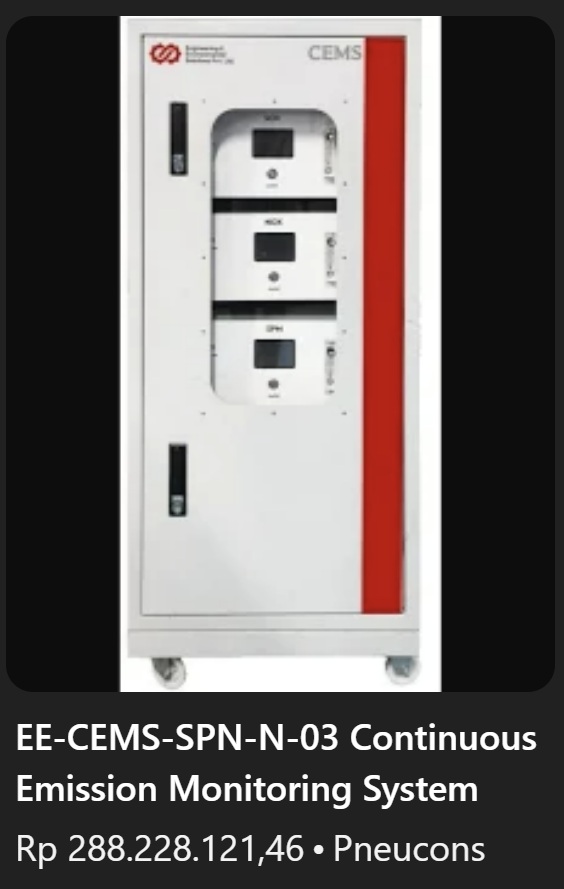
EE‑CEMS‑SPN‑N‑03 Continuous Emission Monitoring System: Contoh sistem CEMS untuk SOx/NOx/CO/SPM; cocok sebagai referensi paket instalasi stack.
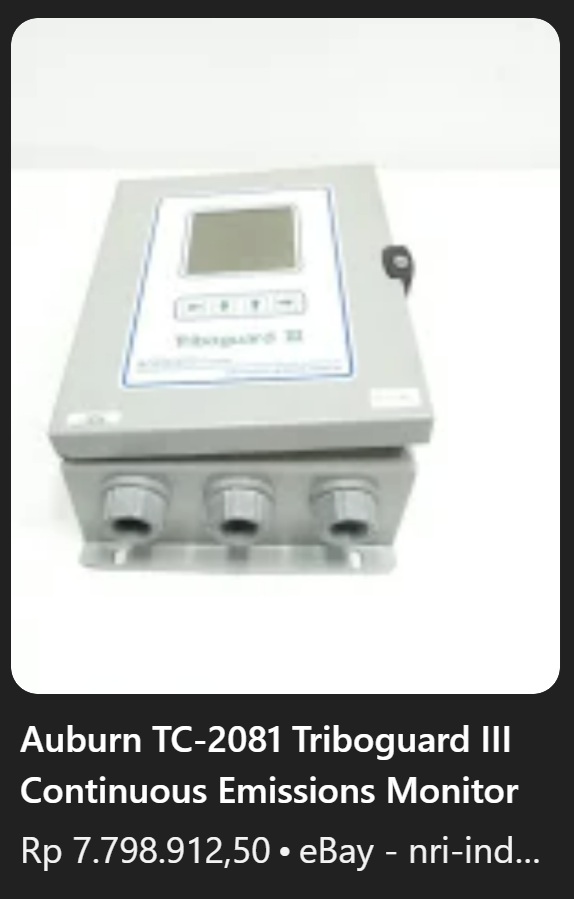
Auburn TC‑2081 Triboguard III Continuous Emissions Monitor: Monitor continuous yang lebih spesifik / single-pollutant, bisa jadi komponen upgrade.
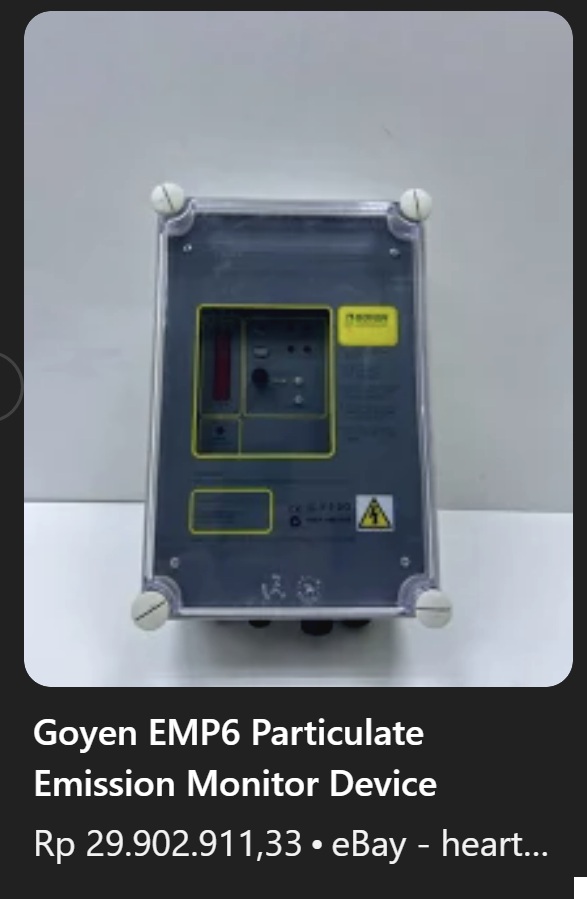
Goyen EMP6 Particulate Emission Monitor Device: Fokus pada partikel (PM) / dust monitoring — bagian penting di smelter & cement.
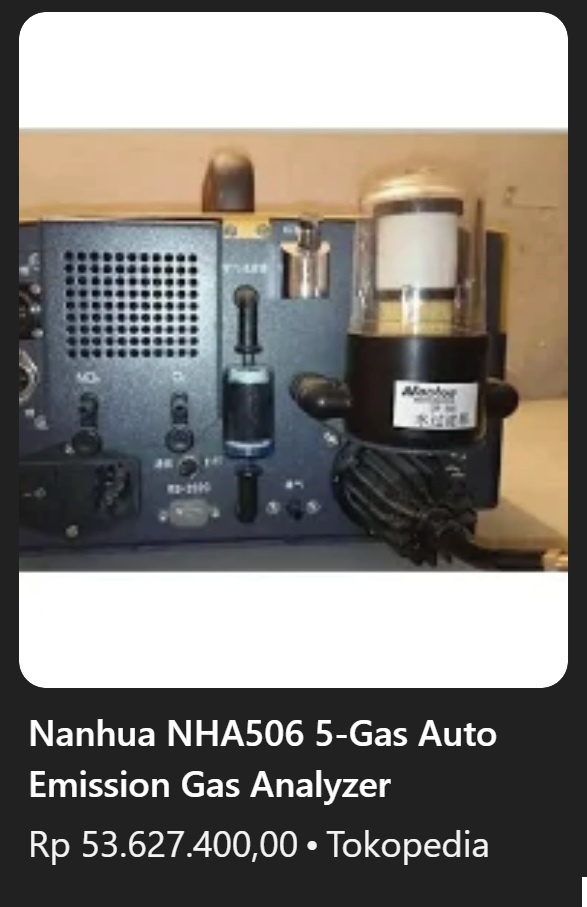
Nanhua NHA506 5‑Gas Auto Emission Gas Analyzer: Analyzer 5 gas untuk proses atau sumber lebih kecil — bisa jadi pilot atau retrofit.
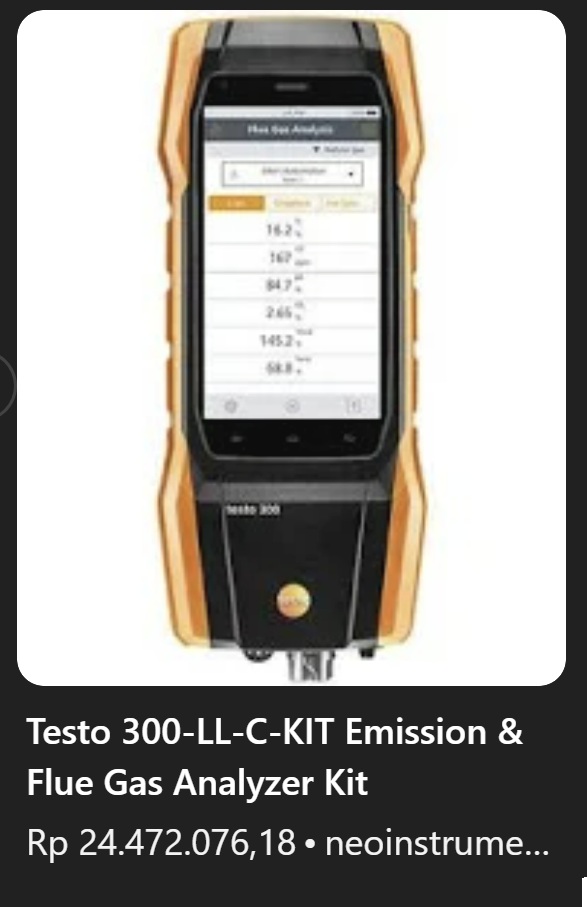
Testo 300‑LL‑C‑KIT Emission & Flue Gas Analyzer Kit: Kit portable/flue gas analyzer — ideal untuk rental / commissioning.
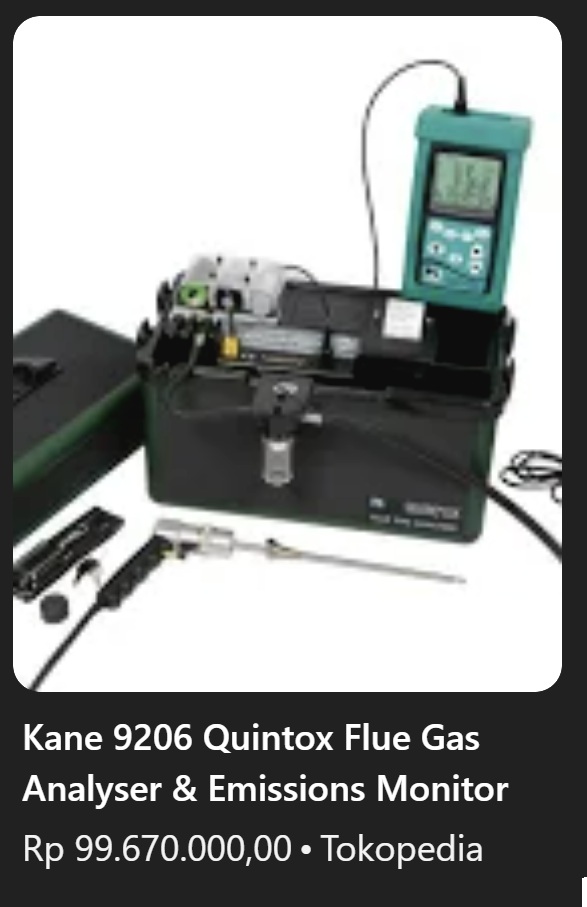
Kane 9206 Quintox Flue Gas Analyser & Emissions Monitor: Premium analyzer/emissions monitor — bisa jadi bagian dari paket high end.
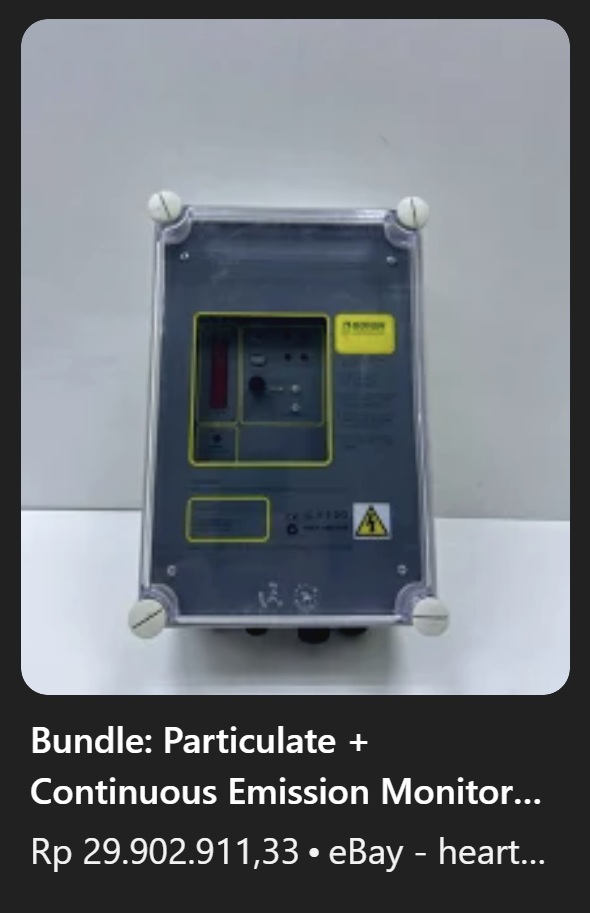
Bundle: Particulate + Continuous Emission Monitor Combo: Kombinasi particulate + continuous gas monitor — menawarkan value bundling.
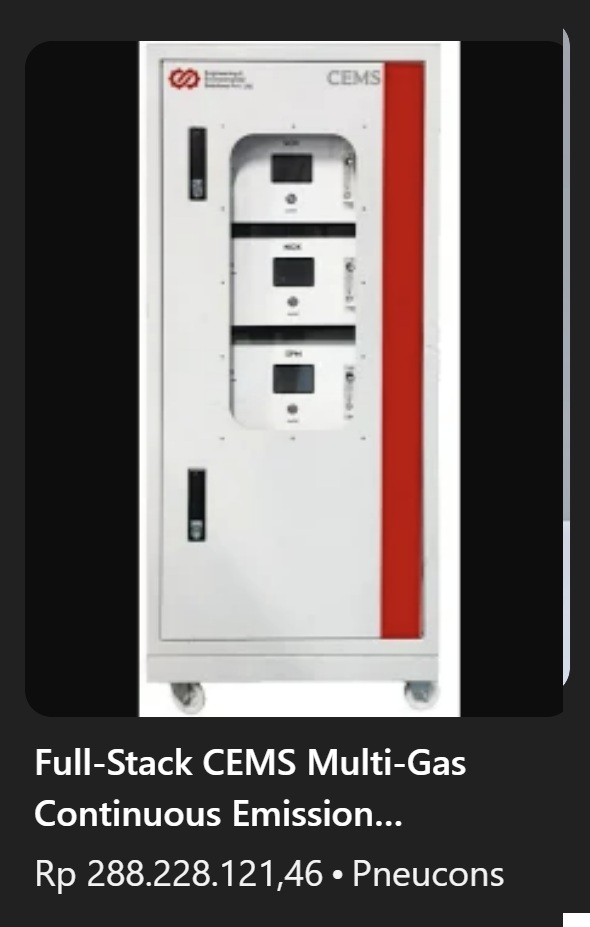
Full‑Stack CEMS Multi‑Gas Continuous Emission Monitoring System: Paket lengkap multi-gas system untuk stack besar/plant ekspor — high capex tapi high value.
📋 Paket Harga dan SOW Detail
1) Extractive Pilot Package
Scope of Work (SOW)
- Supply & install 1 CEMS train untuk stack utama (gas: SO₂/NOx/CO/O₂)
- Sampling probe + heated sample line + conditioning unit + analyzer cabinet + Data Acquisition & Handling System (DAHS)
- Commissioning + baseline test + 60-day validation run + remote dashboard + monthly QA report
- Training operator 2 hari onsite + handover manual
Indicative Price: USD 35,000 – USD 90,000 (tergantung gas spec, stack diameter, sample line length)
Target Klien: Smelter, HPAL plant, captive power plant di Indonesia (IMIP, Weda Bay)
Margin & Terms: Capex sale; payment 30% PO, 40% delivery, 30% acceptance.
2) FTIR Premium Multi-Gas Package
Scope of Work (SOW)
- Supply & install FTIR multi-gas analyzer + sample system + cloud dashboard + automatic calibration option + audit certificate (3rd-party)
- Multi-pollutant capability (HCl, HF, NH₃, VOCs, etc) + data link ke buyer/exporter traceability
- Installation + commissioning + QA run 90 days + premium service bundle (12 months)
Indicative Price: USD 80,000 – USD 250,000+ per unit (tergantung spek)
Target Klien: Battery-materials plants, smelters ekspor yang butuh trace-multi gas compliance
Risk & Differentiator: High cost; fokus value add pada auditable data & buyer supply chain compliance.
3) Open-Path Fugitive Monitoring Package
Scope of Work (SOW)
- Supply & install open-path beam/laser system (beam across stack yard/fugitive point) + analytics + real-time PoC dashboard + alerts
- Commissioning + training + 6-month performance run + service contract
Indicative Price: USD 40,000 – USD 120,000 per beam/line
Target Klien: Smelter yards, storage tank farms, coastal effluent plume monitoring (Morowali, Weda Bay, Cilegon)
Value Prop: Monitoring area/fugitive where stack CEMS not enough; reputasi & regulatory CSR focus.
4) Rental/Mobile CEMS Package
Scope of Work (SOW)
- Mobil unit atau containerized CEMS train (single pollutant or multi-pollutant) + on-site setup + data streaming
- Use case: commissioning, temporary compliance, audit/re-check
- Rental term: weekly/monthly + optional operator support
Indicative Price: USD 2,000 – USD 8,000 per week (tergantung spec)
Target Klien: New smelters/powerplants commissioning (2025–2026 pipeline)
Strategy: Build fleet 2-4 units, subscription model, recurring revenue.
✅ Next Steps / Aksi Komersial
- Finalise product packs & pricing daftar di atas, buat satu file PDF untuk sales.
- Kalkulasi cost internal (boM, install labour, margin) sesuai masing-paket.
- Kembangkan kontrak template (CAPEX sale / lease / rental) dengan opsi service/maintenance.
- Segmentasi target klien menurut paket:
- Extractive Pilot → smelter/HPAL yang belum ada CEMS.
- FTIR Premium → pabrik baterai/export-oriented.
- Open-Path → smelter yards/tank farms.
- Rental → commissioning projects.
- Siapkan materi marketing: benefit, case study (nanti), ROI analisis, compliance & export value.
Share informasi ini ke: